


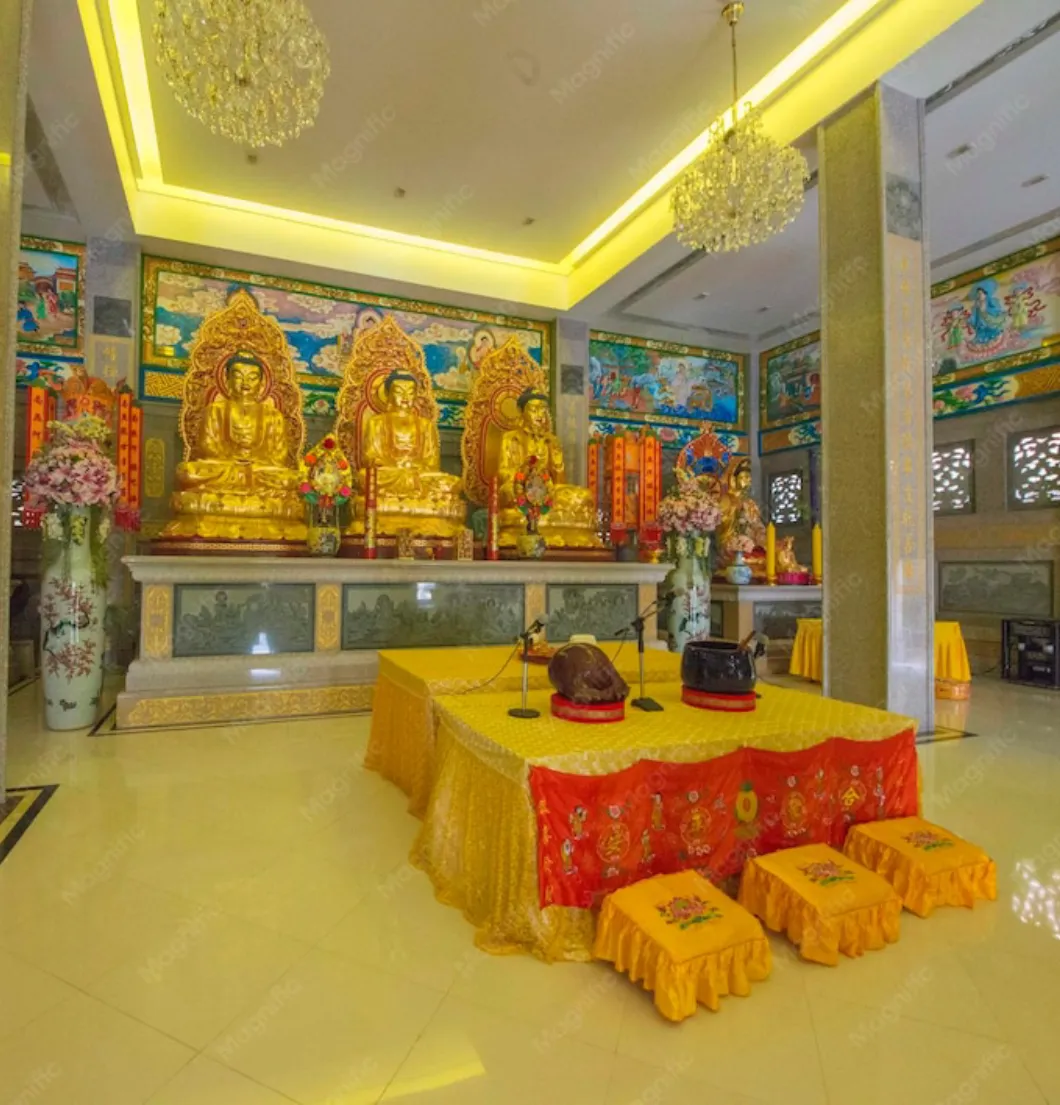
There’s a reason almost every old institution, whether it was a school, hospital, office, or community building, reserved a special space for prayer or quiet reflection. It was never just about religion. It was about balance.
In today’s fast-moving institutional environments, people are constantly under pressure. Students deal with competition and anxiety, employees navigate deadlines and expectations, and even visitors often carry stress into a space without realizing it. A thoughtfully placed temple or prayer area acts like an emotional pause point within the building. It softens the atmosphere. You may not always notice it consciously, but you feel the difference.
According to Vastu Shastra, the northeast zone is considered the most suitable location for a temple or prayer space. This direction is associated with clarity, wisdom, peace, and spiritual openness. I often describe the northeast as the “breathing space” of a building i.e. the area where energy feels lightest and most receptive. When a prayer area is placed here, it tends to create a calm and uplifting influence that quietly spreads through the institution.
One thing I always recommend is keeping the prayer area uncluttered and peaceful. Avoid using it as a multipurpose storage room or meeting corner. Soft lighting, ventilation, and cleanliness matter far more than expensive décor.
Modern institutions often focus heavily on efficiency, technology, and aesthetics; all important things, of course. But spaces also shape emotions. Buildings influence behavior more than we realize. When an institution includes a thoughtfully placed temple or prayer area, it quietly tells people something meaningful: this is not just a place to perform, compete, or work; it is also a place where mental peace and human well-being matter.
And honestly, in today’s world, that matters more than ever.
Want Vastu guidance for your space?
Tell us about your home, office or shop in Dubai and we will get back to you.
Contact UsOur Vastu services in Dubai
- Vastu for Home
- Vastu for Offices
- Vastu for Shop & Showroom
- Vastu for Warehouses
- Vastu for Industries
- Vastu Consultant in Dubai
- Vastu FAQs