


Over the past many years of consulting on residential and commercial spaces, I have had the opportunity to work alongside some of the finest architects and interior designers. I truly value what good design can do. It can transform a dull space into something truly inspiring. But what I have also seen is that beauty and impact are not the same thing.
A space can look exceptional and still not support the people living or working in it. That is where the line between interior design and Vastu becomes very clear.
Interior Design is About Presentation
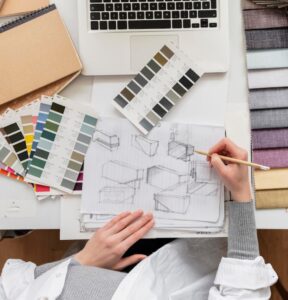
Interior design focuses on what you see and experience immediately. It answers practical and visual questions. Does the layout feel open? Are the materials premium? All of this matters. A well-designed space improves daily comfort and reflects personality.
However, interior design primarily works at the surface level. It enhances what already exists structurally but it does not usually question whether the basic placement of rooms, entrances, or key functions is supportive in the long run.
Vastu Is About Structure and Long-Term Effect
Vastu begins where design often stops. It asks deeper questions. Where is the main entrance placed? Which zone holds the kitchen? Is the center of the home open or blocked?
These may sound like technical details, but they influence daily life in quiet ways. A poorly placed bedroom may disturb sleep patterns. Similarly, a wrongly positioned leadership cabin may reduce clarity and authority.
These effects do not show up overnight. They build slowly. People often say, “Everything looks fine, but something doesn’t feel right.” That “something” is usually structural.
Vastu looks at how a space behaves over time, not just how it appears on day one.
When Design Overpowers Balance
One of the most common situations I encounter is when trends dominate decision-making. A dramatic staircase placed at the center of the home may look grand, but it can disturb stability. A large decorative water feature placed for visual impact may affect financial steadiness if not positioned correctly.
None of these choices are “bad” from a design point of view. But if placement is ignored, the long-term impact can be uncomfortable.
This is where aesthetics end. Impact begins when structure starts influencing outcomes.
The Most Successful Spaces Combine Both
The most powerful projects I have worked on are those where design and Vastu support each other. The structural placement is first aligned properly. Then the design enhances it with beauty, texture, and personality.
For example, once the bedroom is placed in a stable zone, the interior design can strengthen it with calming colors, soft lighting, and balanced furniture. Once the leadership cabin is positioned correctly, design can enhance authority through proportion, material choice, and layout.
When both disciplines work together, the space not only looks impressive but also performs consistently.