


Many conversations about Vastu still assume one thing. That buildings are made the way they were centuries ago. Thick brick walls. Stone structures. Timber beams. And so on.
But look around any modern city. The reality is very different. Most buildings today rely on reinforced concrete frames, steel structures, and large glass surfaces. Apartments sit in tall towers. Offices are wrapped in glass façades.
So the real question is not whether Vastu applies to modern buildings. The real question is this: how do its principles adapt to modern materials?
Concrete Changed the Way Buildings Carry Weight
In traditional homes, thick walls carried the load. Their placement naturally created stable zones. Certain areas felt grounded simply because the structure itself was heavy and solid there.
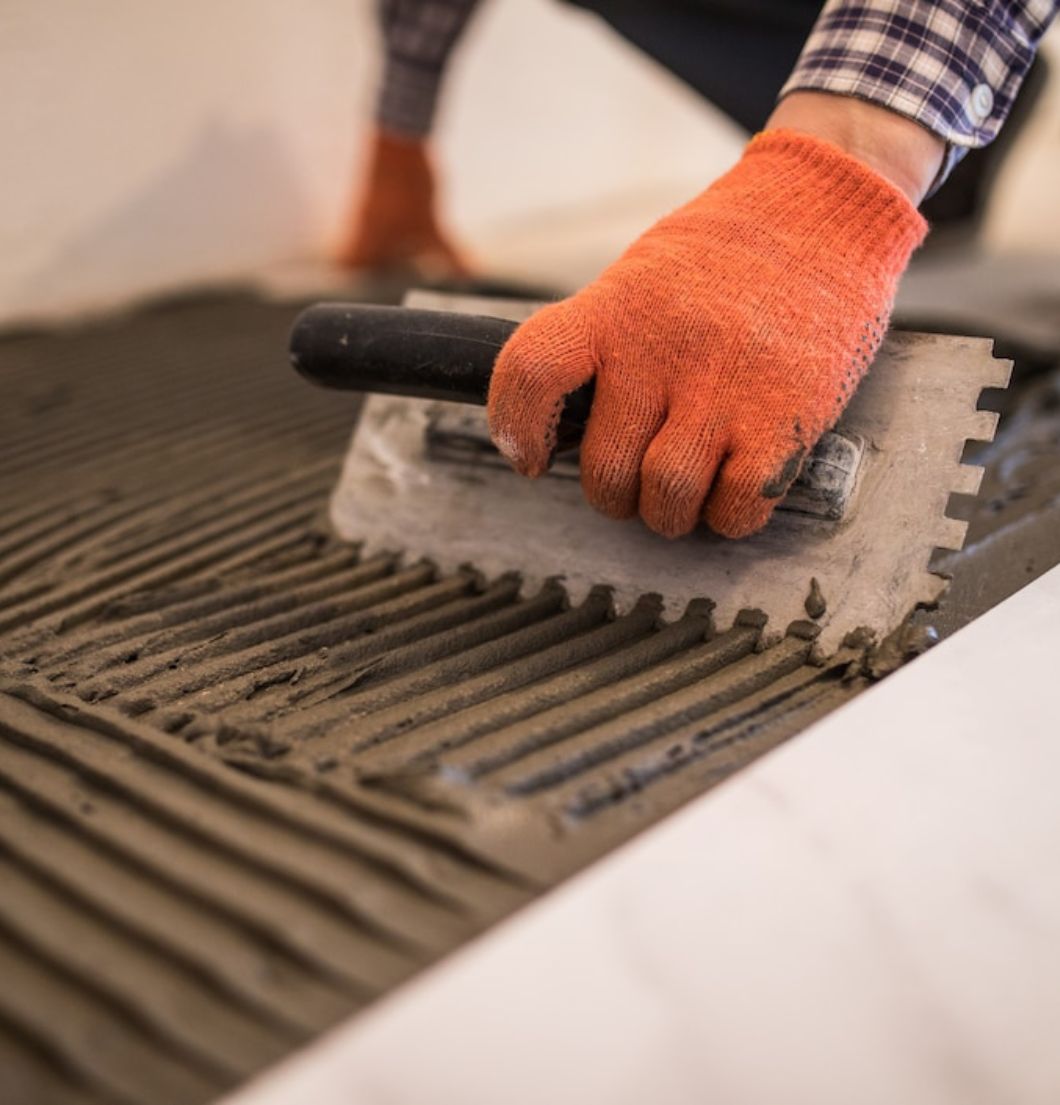
Concrete frame structures of today work differently. The load sits on columns and beams instead of walls. Interior walls are often just partitions. They can move and can be built almost anywhere.
This flexibility gives architects freedom. But it also removes the natural balance older homes had. Stability now has to be planned deliberately. If functional zones are placed carelessly inside a concrete structure, the house may look modern but feel strangely unsettled.
Glass Brings Light, But Also Pressure
Glass is probably the most visible symbol of modern architecture. Entire office towers are now wrapped in it. Homes increasingly use large windows and sliding walls to create openness.
Light is usually a good thing. It supports healthy sleep cycles and makes spaces feel larger and more welcoming. But too much glass in the wrong direction creates problems. A large west-facing glass wall, for example, can turn a living room into a heat trap by late afternoon. A fully glazed bedroom may struggle with glare early in the morning. The space starts feeling uncomfortable even if the design looks impressive.
From a Vastu point of view, the goal is not to avoid glass. The goal is to control how light enters the building so that it supports daily life instead of disturbing it.
Steel Created Bigger, More Open Spaces
Steel structures allow architects to create large open areas without many internal walls. This is why modern offices, malls, and even homes often have big open-plan layouts.
Open space sounds attractive. But openness also removes natural boundaries inside a building. Activities start overlapping. Work, rest, and social areas blend into each other.
In traditional homes, rooms had clearer functions. The kitchen felt separate. Bedrooms had privacy. The structure itself helped maintain order.
With steel-supported spaces, that order has to be created through layout and usage. If everything is left open, the space can lose its sense of direction. People may feel distracted or unsettled without understanding why.
Vastu Has Always Been About How Spaces Work
One mistake people make is treating Vastu as a set of rigid rules tied to ancient construction methods. That misses the real point. The deeper principles were always about how built environments affect the people inside them.
Materials may change and architecture will keep evolving. But human responses to space remain surprisingly consistent. People still sleep better in stable zones. They still work better in well-lit areas.
Glass, steel, and concrete simply give us new tools. The challenge is using them in ways that maintain balance inside the building.
That is where modern Vastu thinking belongs. Not in rejecting new materials, but in understanding how they shape the experience of space.