



Believe it or not, two homes in the same building, built from the same floor plan, sometimes even mirror images of each other, can lead to very different life experiences for the families living inside them. One family grows steadily, feels settled, and makes clear decisions. The other, in what is technically the “same” house, feels stuck, tense, or constantly dealing with small setbacks.
On paper, it makes no sense. If the layout is identical, shouldn’t the results be similar? But a floor plan is only a drawing. It shows walls, doors, and room sizes. It does not show direction, energy flow, surrounding structures, or how the space aligns with natural forces. It does not show how the home will behave once real life begins inside it.
That difference between structure and lived experience is exactly where Vastu becomes important.
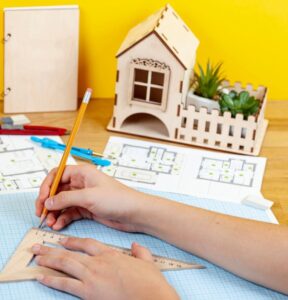
Same Layout, Different Directional Alignment
Even in the same building, two units are rarely energetically identical. One may face a direction that supports clarity and growth, while the other may face a direction that creates restlessness or instability. The entrance, which plays a very important role in Vastu, may fall in a strong zone in one unit and a weaker zone in another, even if the layouts look the same.
The placement of the kitchen, bedrooms, and living area may appear identical on paper, but their exact directional degrees can shift slightly from one unit to the next. In Vastu, even small directional shifts can change how supportive a space feels.
Natural light also connects deeply with direction. A home receiving balanced morning light often feels fresh and active. A home exposed to harsh or excessive afternoon heat may create irritability over time. These are not just comfort issues. In Vastu, sunlight is linked to vitality and clarity. When it is balanced, the household feels balanced.
None of this is visible in a basic floor plan. Yet it influences daily life in powerful ways.
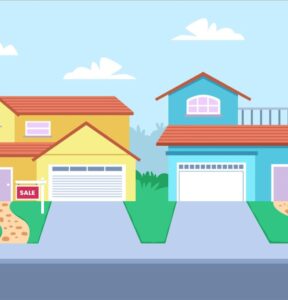
Subtle Imbalances Create Long-Term Effects
Furniture placement may seem like an interior design decision, but in Vastu it also affects stability. Heavy elements placed in already sensitive zones can increase pressure. Water features placed incorrectly can disturb financial steadiness. Mirrors placed without thought can create restlessness.
These are not dramatic changes that show immediate results. They work slowly. Over months and years, they influence mood, communication, and confidence. And those influence decisions. Decisions shape outcomes.
Surroundings Matter as Much as Structure
Vastu also studies what surrounds the home. One unit may face open space, greenery, or a clear road. Another may face a heavy structure, sharp corner, or blocked view. Even if the inside layout is identical, the external environment changes the energy entering the home.
A blocked or heavy exterior often creates subtle pressure. Open surroundings create ease and opportunity. Over time, this difference reflects in how people feel and respond to life situations.
Again, none of this is visible in a simple architectural drawing.
The Home Is a Living System
When I assess a property, I never stop at the floor plan. I study direction, entrance placement, surrounding structures, room usage, and balance of weight. I observe how the home “breathes”, whether movement flows naturally or feels restricted.
Two homes can be twins on paper. But once direction, surroundings, and usage come into play, they become completely different energetic systems.
A floor plan shows the structure.
Vastu reveals how that structure will influence life.