

A balcony or terrace is your direct connection to nature. It is where sunlight enters, fresh air circulates, and outside world’s energy meets the energy of your personal space.
When aligned correctly with Vastu principles, balconies and terraces become powerful sources of vitality and emotional balance. Let’s explore how to align these spaces so they truly support your well-being.
Why Light and Air Matter So Much in Vastu
In Vastu, light represents awareness and positivity, while air represents movement and life force. Together, they create prana, which is the subtle energy that keeps a home alive and responsive.
Balconies and terraces are the primary gateways for this prana. If they are well-positioned and kept open, the home feels bright, fresh, and energetic.
Best Directions for Balconies and Terraces
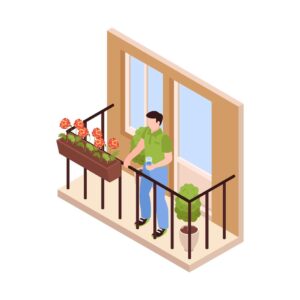
The most supportive directions for balconies and terraces are the North, East, and Northeast. These directions invite gentle sunlight and cool air, and create an environment that supports mental clarity, good health, and emotional stability.
Homes with balconies in these zones often feel naturally uplifting. Residents wake up feeling lighter, experience fewer mood swings, and find it easier to focus on work and personal goals.
Balconies in the South or Southwest, however, tend to trap heat and block airflow. Over time, this can lead to irritability, fatigue, and a sense of heaviness within the home. If such placements already exist, you can still balance the energy with careful design choices.
Keeping the Space Open and Breathable
One of the most common mistakes I see is treating balconies as storage rooms. Stacked boxes, unused furniture, or covered grills block the very purpose of these spaces.
In Vastu, balconies and terraces should feel open and uncluttered. Light furniture, open railings, and breathable designs allow energy to flow freely. The more open the space feels, the more naturally prana circulates through the home.
If safety grills are necessary, opt for vertical or simple designs rather than heavy patterns that visually and energetically block airflow.
Terrace Design
Terraces experience intense sun exposure and should be designed carefully to avoid home’s overheating. From a Vastu perspective, it’s best to keep the North and East portions of the terrace lighter and more open. Heavier elements such as water tanks, solar panels, or storage units should sit towards the South or Southwest.
This distribution allows heat to settle where it belongs while keeping the home below cooler and energetically balanced.
Using Colors to Enhance Air and Light
Colors play a subtle but important role in balcony and terrace Vastu. Soft shades such as white, cream, light yellow, or pastel greens reflect light and create an expansive feeling.
Avoid dark or overly intense colors in these spaces, especially in the North and East. Heavy tones absorb light and reduce the sense of openness that balconies are meant to provide.
Final Thoughts
A well-aligned balcony or terrace allows your home to breathe, literally and energetically. When light enters freely and air moves gently, you feel calmer and healthier.
In modern homes where indoor space is often limited, balconies and terraces play an even more important role. So, treat them as sacred breathing zones, not leftover corners.